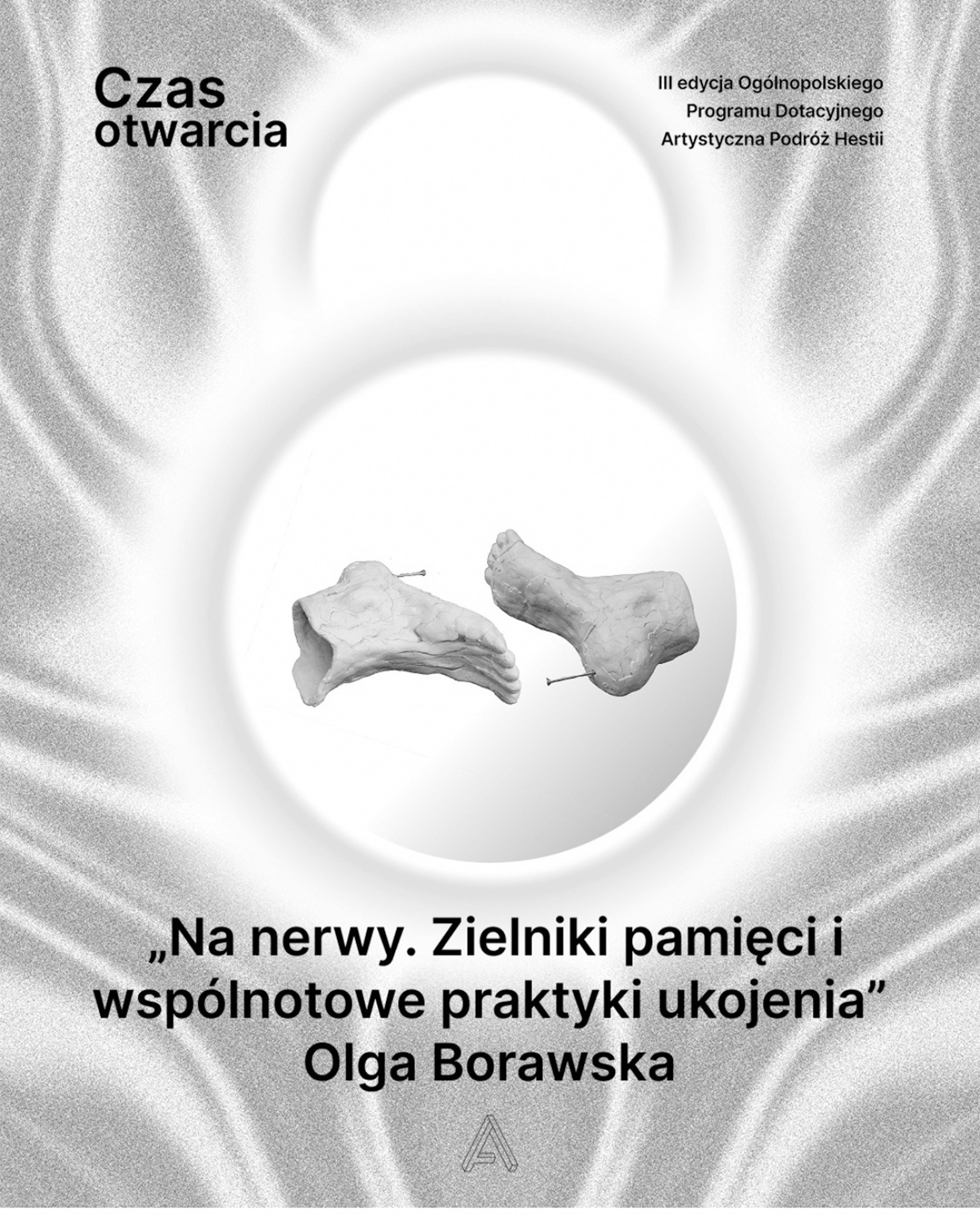
Na nerwy. Zielniki pamięci i wspólnotowe praktyki ukojenia
For Nerves: Herbal Remembrance and Community Practices of Soothing
project in progress, 2026–2027
III edition of the Artystyczna Podróż Hestii Grant Program, in collaboration with the North-Mazovian Museum in Łomża
I'm starting from a plant.
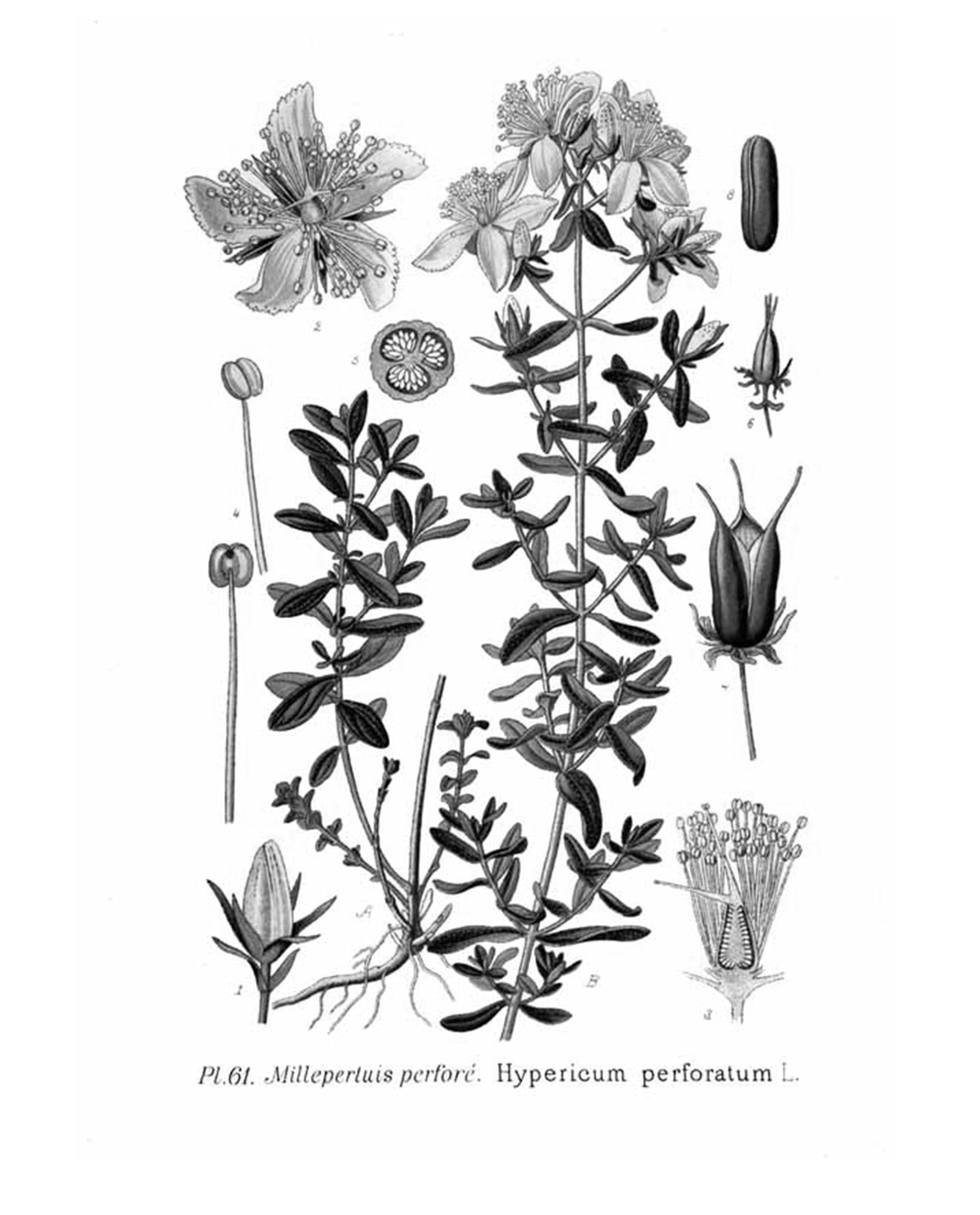
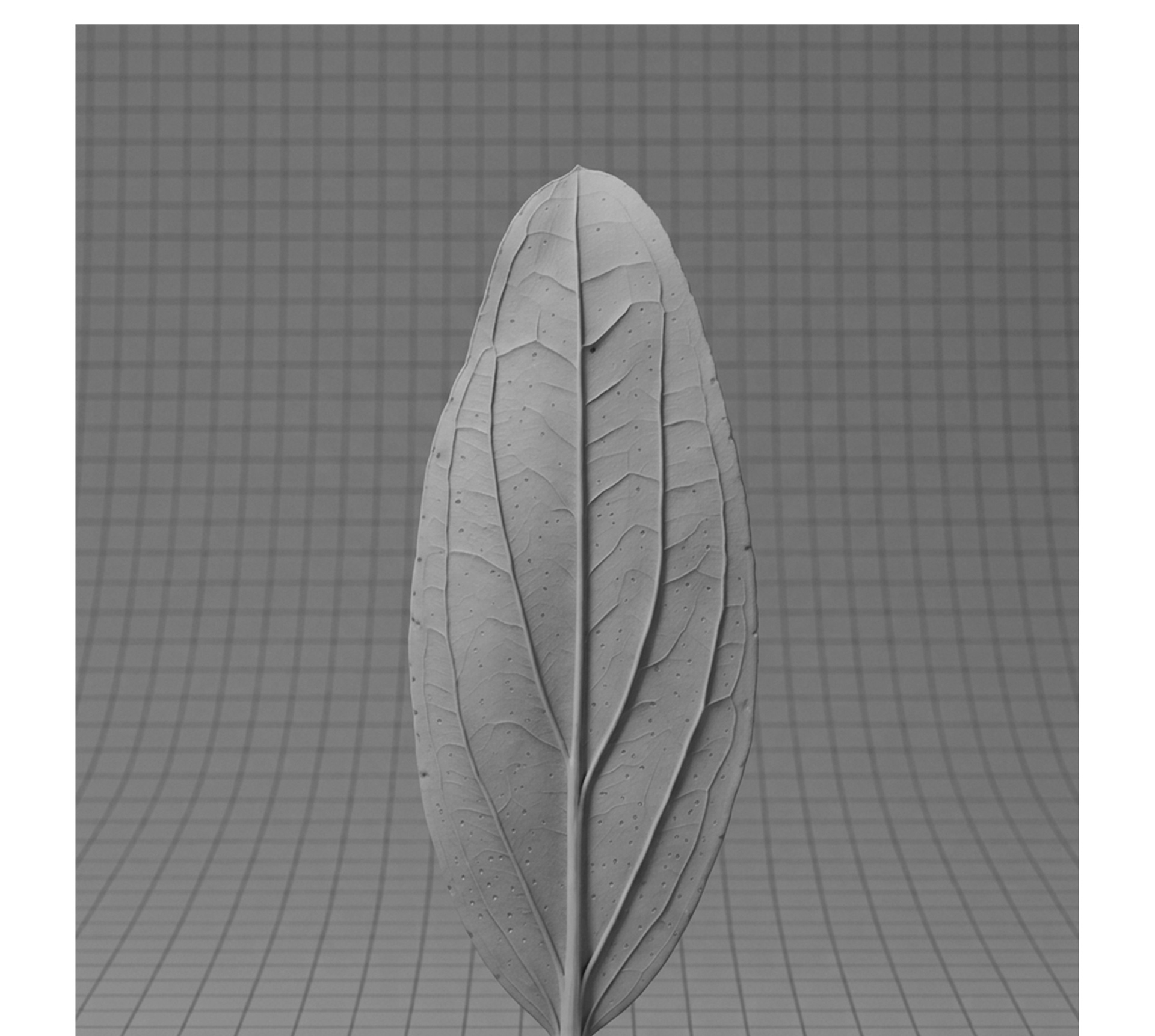
St. John's wort — Hypericum perforatum — bright yellow, invasive, stubborn. In folk tradition across Podlasie and Kurpie, it was the herb most strongly associated with nerves, with calming, with light. People knew exactly what to do with it and when. That knowledge lived in women's hands, in spoken recipes, in the smell of a kitchen in late summer. Much of it is disappearing now.
We live in a culture of permanent overstimulation. Mental health — increasingly documented as a collective crisis — is too often answered with individualised solutions: supplements, capsules, quick fixes sold in packaging. I want to go somewhere else. Back to plants, to community, to ritual.
The project is rooted in the archival field notes of Adam Chętnik, an ethnographer who documented the herbal practices of this region in the early twentieth century. I'm reading his notebooks alongside conversations with local herbalists and tradition-keepers who are still alive, still practicing. Their knowledge — botanical, sensory, deeply relational — becomes the material I work with.
At the centre of the exhibition is a Space of Calm: an installation that brings together image, sound, and scent, designed as a place where visitors can stop and actually experience the practices of emotional regulation I've been researching. Not read about them. Feel them. The scent composition — developed with ethnobotanists and a perfume laboratory — reconstructs historical recipes for calm: valerian, wormwood, peat moss. Smell works directly on the limbic system. I find that more honest than a wall text.
The exhibition also includes a large-format painting dedicated to the figures of wiedźmy — wise women, healers, keepers of care — a documentary-experimental film, and a sound installation built from the oral histories I've been collecting with rural women's circles and local organisations. These women are the real archive. I'm just trying to make it visible.
The educational programme — Wspólnotowy Zielnik Ukojenia / Community Herbarium of Calm — runs alongside the exhibition, bringing together participants from sectors particularly exposed to chronic stress: education, caregiving, young adults. They make personal herbariums: part botanical record, part private toolkit for self-regulation. Each one is also a small history of someone's relationship with their own nervous system.
Na nerwy is not a nostalgic project. I'm not interested in the past as something to preserve behind glass. I'm interested in what that knowledge can do right now — what it means to reach for a plant instead of a pill, to sit with someone instead of sitting alone, to find that the tools for calm were already here, growing in the field at the edge of town.
Exhibition — Contemporary Art Gallery, Łomża, May 2027
Olfactory installation — scent composition developed with ethnobotanists and a perfumery laboratory; reconstructing historical recipes for calm based on valerian, wormwood, and peat moss
Space of Calm — central installation combining image, sound, and scent; designed as a place of stillness and direct experience of emotional regulation practices
Documentary-experimental film — weaving Chętnik's archival notes with contemporary images of women's rituals and herb-gathering
Sound installation — built from oral histories collected with rural women's circles and local organisations
Painting, 3 × 2 m — dedicated to the figures of wiedźmy and caregivers; a symbolic representation of women's folk knowledge as the foundation of care
Community Herbarium of Calm — personal herbarium cards made by workshop participants, combining botanical knowledge with individual methods of managing anxiety